
Asbestos Roof Overcladding
for Commercial & Industrial Buildings
Commercial & Industrial Asbestos Roof Overcladding Specialists
Young & Company specialise in asbestos roof overcladding for commercial and industrial buildings across the North West and beyond.
Many profiled asbestos cement roofs installed throughout the 1960s, 1970s and 1980s are now reaching the point where refurbishment, remediation or replacement is required. These ageing roof systems can suffer from leaks, weathering, fragile roof coverings, poor insulation, deteriorating rooflights and ongoing maintenance issues.
Where the existing roof and structure are suitable, asbestos roof overcladding can provide a practical and cost-effective refurbishment solution. A new roofing system is installed over the existing profiled asbestos cement roof, improving weatherproofing, thermal performance and building appearance while reducing disruption compared with full strip and replacement.
What is Asbestos
Roof Overcladding?
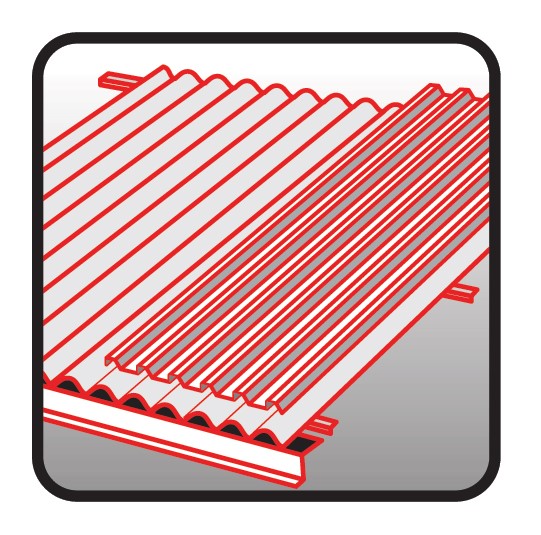
Asbestos roof overcladding is the process of installing a new roofing system over an existing profiled asbestos cement roof, subject to the condition and suitability of the existing roof structure.
Rather than removing the existing asbestos cement roof covering, the roof is overclad and encapsulated using a modern roofing system. This can help extend the lifespan of the building, improve weather protection and upgrade the overall appearance of the property.
A typical asbestos roof overcladding system may include:
- Existing roof assessment
- Structural and condition review
- Support rails / spacer system
- Insulation upgrade
- New external roof covering
- Replacement rooflights where required
- New flashings, trims and rainwater details
When is Asbestos Roof
Overcladding Suitable?
Asbestos roof overcladding may be suitable where the existing profiled asbestos cement roof and supporting structure are capable of receiving the new system.
It is commonly considered where:
- The existing asbestos cement roof is ageing but suitable to remain in place
- Full asbestos roof removal is not required or is not the preferred option
- The client wants to reduce disruption to ongoing operations
- Improved insulation and weatherproofing is required
- Existing rooflights are degraded and need replacing
- The building needs a practical long-term refurbishment solution
- The client wants to improve the external appearance of the building
A survey should be carried out to assess the condition of the existing roof and confirm whether overcladding is appropriate.
Where overcladding is not suitable, Young & Company can also provide full asbestos roof replacement solutions.
Common Problems with
Older Asbestos Cement Roofs
Ageing profiled asbestos cement roofs can develop a range of issues over time, particularly on older commercial and industrial buildings.
Common problems include:
- Roof leaks and water ingress
- Cracked or weathered asbestos cement sheets
- Fragile roof coverings
- Degraded or discoloured rooflights
- Poor insulation and thermal performance
- Condensation issues
- Ongoing maintenance problems
- Moss, lichen and surface deterioration
- Outdated appearance
- End-of-life roof covering
Where repairs are no longer practical or cost-effective, overcladding can provide a long-term refurbishment option for suitable roofs.
Benefits of Asbestos
Roof Overcladding
Asbestos roof overcladding can provide a practical refurbishment solution for suitable commercial and industrial buildings.
- Cost-effective alternative to full roof replacement
- Encapsulation of the existing asbestos cement roof covering
- Reduced disruption compared with full strip and replacement
- Improved weatherproofing
- Improved insulation and thermal performance
- Extended roof lifespan
- Improved building appearance
- Opportunity to replace old or failing rooflights
- Reduced ongoing maintenance
- Suitable for occupied commercial and industrial buildings
- Can support long-term building refurbishment plans
Overcladding or Full
Roof Replacement?
Not every asbestos cement roof is suitable for overcladding. The right solution depends on the condition of the existing roof, the supporting structure, the extent of deterioration and the client’s long-term requirements.
Where the roof is suitable, overcladding can provide a lower-disruption and cost-effective refurbishment solution.
Where the existing roof is too deteriorated, damaged or unsuitable to remain in place, full asbestos roof replacement may be the better long-term option.
Young & Company can advise on the most appropriate solution following review of the existing building, roof condition and project requirements.
Insulated Asbestos Roof
Overcladding Systems
Asbestos roof overcladding can be carried out using modern insulated roofing systems designed to improve the performance of the building.
Depending on the project requirements, system options may include:
Composite Insulated Panel Systems
Composite insulated panels provide a fast, efficient and high-performance roof covering. They can improve thermal performance, weatherproofing and the external appearance of the building.
Built-Up Roofing Systems
Built-up roofing systems provide flexibility for refurbishment projects and can incorporate insulation upgrades to improve thermal efficiency and building performance.
Standing Seam Roofing Systems
Standing seam systems, including our Royaldeck ‘S’ system, can provide a robust low pitch roofing solution with concealed fixings and long-term weatherproofing performance.
Rooflight Replacement as
Part of Overcladding Works
Many older asbestos cement roofs contain ageing rooflights that have become discoloured, fragile or ineffective.
As part of an asbestos roof overcladding project, existing rooflights can be replaced with modern rooflight systems to improve natural daylight and support the overall refurbishment of the roof.
Replacing rooflights during overcladding works can help improve:
- Natural light within the building
- Building appearance
- Weatherproofing
- Long-term roof performance
- Overall refurbishment quality
Managed Safely
and Professionally
Asbestos roof refurbishment works must be properly planned, managed and controlled.
Young & Company approach asbestos roof overcladding projects with careful consideration of the existing roof condition, site constraints, access requirements and health and safety obligations.
You may be eligible for Land Remediation Relief if appropriate, please note – this is information only and not tax advice.
Where required, works can be supported by appropriate surveys, risk assessments, method statements and independent specialist input.
Our aim is to provide practical refurbishment solutions while ensuring works are managed safely, professionally and in line with project requirements.
In-House Fabrication
& Purpose-Made Details
Young & Company operate our own in-house fabrication facilities, allowing us to manufacture purpose-made flashings, trims, gutters and bespoke metal components to suit each project.
This gives us greater control over:
- Quality
- Lead times
- Project detailing
- Site coordination
- Final finish
Our fabrication capability supports efficient delivery of asbestos roof overcladding projects and helps ensure each refurbishment is properly detailed.
Our Approach
Young & Company provide practical, project-specific asbestos roof overcladding solutions.
Our approach typically includes:
- Initial enquiry
- Review of existing roof condition
- Site survey
- Recommendation of suitable refurbishment options
- Preparation of quotation / specification
- Installation by experienced roofing teams
- Completion and handover
We aim to deliver long-term roofing refurbishment solutions with minimal disruption to ongoing building operations wherever possible.
FAQ'S
Can a profiled asbestos cement roof be overclad?
Yes, a profiled asbestos cement roof can often be overclad where the existing roof covering and supporting structure are in a suitable condition to receive the new roofing system.
A survey is required to assess the existing roof sheets, supporting structure, roof pitch, rooflights, gutters and other project-specific requirements. Where the roof is too damaged, deteriorated or otherwise unsuitable to remain in place, full asbestos roof replacement may be the better long-term option.
What is asbestos roof overcladding and how does it work?
Asbestos roof overcladding involves installing a new roofing system above an existing profiled asbestos cement roof, subject to the condition and suitability of the existing roof and structure.
A typical system may include support rails or a spacer system, additional insulation, a new external metal roof covering, replacement rooflights, purpose-made flashings and upgraded rainwater details. The existing asbestos cement covering remains beneath the new system rather than being fully stripped and removed.
What are the benefits of asbestos roof overcladding compared with full roof replacement?
Where the existing roof is suitable, overcladding can provide a practical and cost-effective alternative to full strip and replacement.
Potential benefits include:
- Reduced disruption to business operations
- Improved weatherproofing
- Improved insulation and thermal performance
- Encapsulation of the existing asbestos cement covering
- Replacement of old or deteriorated rooflights
- Improved building appearance
- Reduced ongoing maintenance
- Extended service life of the roof
Overcladding is not suitable for every building, and the correct option should be determined following a survey of the existing roof and structure.
Does asbestos roof overcladding disturb the existing asbestos cement sheets?
The purpose of an overcladding system is to leave the existing asbestos cement roof covering in place and minimise disturbance while installing the new roofing system above it.
However, all asbestos-related work must be assessed, planned and controlled. The required working method will depend on the condition of the asbestos cement, the activities involved and the findings of the project-specific risk assessment. Appropriate training, safe systems of work and control measures must be in place.
Can insulation and rooflights be upgraded as part of asbestos roof overcladding?
Yes. An asbestos roof overcladding project can incorporate additional insulation and replacement rooflights as part of the new roof build-up.
Upgraded insulation can improve the thermal performance of the building, while modern rooflights can improve natural daylight, weatherproofing and the overall quality of the refurbishment. New gutters, flashings, trims and rainwater details can also be included where required.
Discuss Your Asbestos Roof Overcladding Project
If your commercial or industrial building has an ageing profiled asbestos cement roof, contact Young & Company to discuss whether overcladding could provide a suitable long-term refurbishment solution.